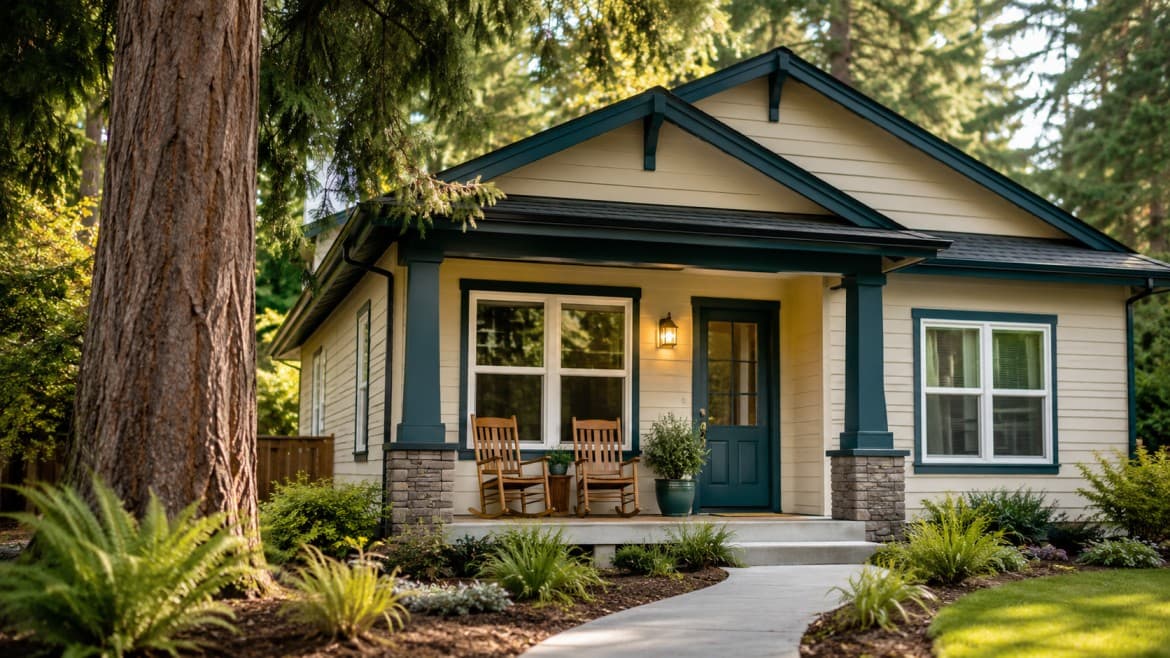
If you are figuring out how to start an adult family home in Washington in 2026, the work splits cleanly into three phases. Get yourself qualified. Get the home approved. Get through the initial inspection without surprises. The rules are spread across RCW 70.128 and Chapter 388-76 WAC. This guide walks the steps in order, with the current fees and the most-missed details.
Key takeaways
- An adult family home (AFH) serves between two and eight adult residents in a regular home, licensed by DSHS under RCW 70.128 and WAC 388-76.
- Current fees: $2,750 non-refundable initial processing fee, $450 per bed annual license fee (ESSB 5167, effective July 1, 2025), and a $700 change-of-ownership fee.
- Providers must be at least 21, communicate in English, complete the 54-hour AFH Administrator training, and keep CPR and First Aid current (WAC 388-76-10130).
- You start at 2 to 6 beds. A 7- or 8-bed expansion requires at least 24 months as a licensed provider and 12 months at 6 beds, with two full prior inspections and no enforcement actions (WAC 388-76-10030).
- Plan for the initial inspection to take 3 to 5 hours. Routine inspections after that are unannounced and happen at least every 18 months.
Phase 1. Get yourself qualified
You cannot apply for an AFH license until you meet the provider qualifications. The list is short but every item matters, because DSHS checks each one before they will accept your application.
WAC 388-76-10130 (provider qualifications)
To be an AFH provider, you must be at least 21 years old, be literate and able to communicate in English, complete the AFH administrator training (a minimum of 54 hours plus a competency test), keep a valid CPR and First Aid card, and meet character and background-check requirements. The home also has to keep a person on-site who can read and implement the negotiated care plan. Plain-language summary, not legal advice.
The 54-hour AFH Administrator training is the longest piece. DSHS-approved providers run it. You complete the hours, sit the competency test, and keep the certificate in your file. CPR and First Aid are separate certifications, valid two years, and have to be renewed before they expire.
If you have a caregiver who is not yet a Home Care Aide (HCA), they have 365 days from hire to complete the HCA certification (SB 5672, effective May 17, 2025, applies retroactively through December 31, 2027). Build that window into your hiring plan from day one.
Phase 2. The application and the fees
Applications go through DSHS Residential Care Services. The packet is long. The fees, in current 2026 amounts, are what most new operators underestimate.
| Item | Amount | When |
|---|---|---|
| Non-refundable initial license processing fee | $2,750 | At application |
| Annual license fee | $450 per bed per year | At license issuance and every renewal |
| Change of ownership fee | $700 | When a new owner takes over an existing AFH |
| AFH Administrator training | 54 hours plus competency test (cost varies by training provider) | Before applying |
| CPR and First Aid | Cost varies by trainer | Before applying, renewed every two years |
| Background check | State fingerprint and federal check | During application |
The $450 per bed annual fee took effect July 1, 2025, under ESSB 5167. It applies to any AFH whose renewal lands on or after that date. A 6-bed home pays $2,700 a year just for the license. The initial $2,750 is separate and non-refundable. Build both into your operating budget before you sign a lease.
Phase 3. The home itself
Your home needs to physically pass before the first resident moves in. Some pieces are obvious: working smoke detectors, clear exits, adequate water pressure, locks where required. Other pieces catch new operators off guard.
WAC 388-76-10030 (capacity)
An adult family home is licensed for between 2 and 8 residents. New homes start at 2 to 6. To grow to 7 or 8 beds you must already hold an AFH license for at least 24 months, have maintained licensed capacity for 6 for at least the prior 12 months, demonstrate evacuation capability and financial solvency, and have received at least two full inspections with no enforcement actions taken. A home licensed for 7 or 8 beds without an automatic sprinkler system cannot serve residents who need evacuation assistance. Plain-language summary, not legal advice.
The 7-to-8-bed expansion rule is the most common point of confusion. The old transitional provisions expired January 1, 2026. The current floor is two full prior inspections clean, plus 12 months at 6 beds. Plan to spend at least your first two years at 2 to 6 beds before you even apply to grow.
Phase 4. The initial inspection
Once the application clears, DSHS sends a licensor for the initial inspection. Expect it to take 3 to 5 hours for a small home. The licensor walks the building, checks the medication system, reviews policies, and confirms the provider qualifications. If everything is in order, the license is issued.
After that, the home is on the routine cycle: unannounced inspections at least every 18 months. Many homes see one every 12 to 15 months in practice. The state's published goal is to be unpredictable.
What new operators usually miss
- The 54-hour training takes weeks, not days. Schedule it the same month you decide to apply. Do not save it for last.
- You need a medication system on day one. Even with zero residents, your policy file has to describe the system. Review the WAC medication cluster (388-76-10430 through 10490) before the inspection. Our plain-language walkthrough of the WA medication rules covers the cluster end to end.
- The negotiated care plan is the second-most-cited area in the chapter. Have a blank template ready, and know who signs it. See our care-plan deep dive when you get to that phase.
- Inspection readiness is daily, not weekly. Operators who treat the file room like a museum stay clean. Our DSHS inspection checklist is the 30-day prep plan.
- The fee schedule is non-negotiable. $2,750 initial, $450 per bed per year, $700 for a change of ownership. No exceptions.
Two operator scenarios
Amina is buying a 5-bedroom house in Federal Way and plans to open as a 6-bed AFH. Her cash math: $2,750 initial fee, $2,700 first-year license ($450 x 6 beds), about $1,400 for the AFH Administrator training, $250 for CPR and First Aid, and roughly $400 for fingerprinting and the background check. That is about $7,500 in DSHS-related cost before she takes her first resident, on top of mortgage, insurance, furnishings, and operating reserve. She started the 54-hour training the same week she made the offer on the house.
Sergio runs a 4-bed AFH in Yakima he has held for 18 months. He is interested in growing to 7 beds and called DSHS about it. The licensor reminded him he needs another 6 months of clean operations and his upcoming inspection to count toward the two prior inspections with no enforcement. He restructured his expansion timeline by a year. He will reapply in early 2027 after his next two scheduled inspections close clean.
The first 90 days, in order
| Day range | Focus |
|---|---|
| Day 0 to 14 | Verify provider eligibility. Enroll in the 54-hour AFH Administrator training. |
| Day 15 to 45 | Complete training and competency test. Get CPR and First Aid certifications. Begin background checks. |
| Day 46 to 70 | Walk the physical home. Stage policies and procedures, including medication and care-plan templates. Submit the DSHS application and $2,750 fee. |
| Day 71 to 90 | Respond to DSHS questions. Schedule and pass the initial inspection. Receive your license. Pay the annual bed fee ($450 per bed). |
How Marpass helps a new AFH launch clean
The most common reason a new AFH gets a tag on the first routine inspection is documentation. The medication log is incomplete, the negotiated care plan is missing a signature, or the staff file is missing a CPR card date. Marpass starts your medication system on day one with a tablet-based MAR, refusal and PRN follow-up prompts, and an inspection-ready PDF export. Care plans live next to the dose log, with annual-review reminders. Pricing is flat per home, with the real numbers posted on the site so you can budget without a sales call. AI order reading is included, but the hook is finishing the pass with every line a surveyor wants already written.
Starting an AFH in Washington and want the medication system ready before resident number one moves in? Join the waitlist.